Maestro Movie Home

Category

Cinematography

6 articles

The Eloquence of the Unspoken: Rediscovering the Reaction Shot as Directorial Signature

The Eloquence of the Unspoken: Rediscovering the Reaction Shot as Directorial Signature

In an era defined by visual spectacle and narrative velocity, the most quietly radical tool available to a director may be the simplest: a sustained cut to a face saying nothing. This piece argues that the thoughtfully deployed reaction shot has undergone a critical renaissance in contemporary American cinema, functioning not as connective tissue between plot points but as a primary vehicle for psychological depth and the cultivation of profound viewer intimacy.
Depth as Language: How America's Finest Cinematographers Are Rebuilding the Layered Frame

Depth as Language: How America's Finest Cinematographers Are Rebuilding the Layered Frame

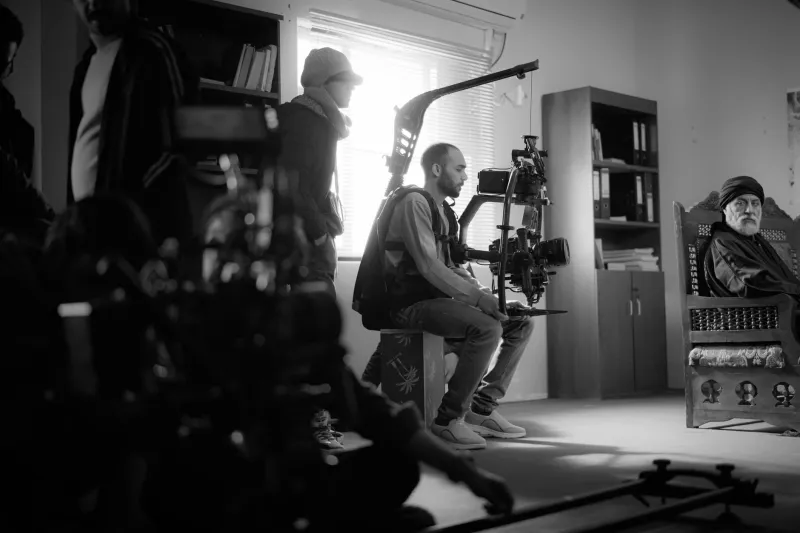
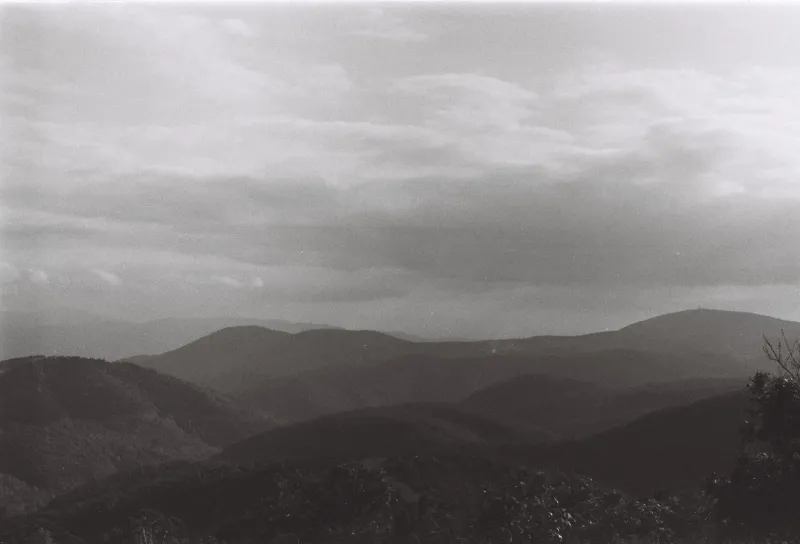
At a moment when close-up-driven, shallow-focus filmmaking has become the dominant grammar of American screens, a cohort of cinematographers is mounting a quiet revolution built on spatial complexity and compositional depth. By restoring the foreground, middle ground, and background as distinct planes of meaning, these artists are reclaiming the frame as a three-dimensional environment rather than a flat surface for faces. The result is a cinema that asks audiences to look, not merely to watch.

The Ethics of Emptiness: Why Contemporary Cinema Is Draining the Color from Its Most Serious Stories

The Ethics of Emptiness: Why Contemporary Cinema Is Draining the Color from Its Most Serious Stories

Across recent awards seasons, a quiet but unmistakable visual trend has emerged: prestige films are stripping their palettes to the bone, favoring muted, desaturated, or near-monochromatic color schemes as signals of moral and emotional gravity. Whether this represents genuine artistic necessity or a codified shorthand for seriousness is a question the most discerning viewers should be asking.

Grain, Dye, and Light: The Cinematographers Turning Away From the Digital Palette

Grain, Dye, and Light: The Cinematographers Turning Away From the Digital Palette

A quiet but consequential revolt is unfolding behind the camera. Across American and international productions alike, a growing cohort of cinematographers and colorists is deliberately turning away from the seamless, infinitely malleable world of digital grading in favor of chemical processes, optical printing, and hand-crafted visual textures. This is not nostalgia. It is an argument about what images are capable of feeling.

The Power of Absence: How Restraint in Visual Composition Is Defining a New Era of American Independent Cinema

The Power of Absence: How Restraint in Visual Composition Is Defining a New Era of American Independent Cinema

A generation of American filmmakers is discovering that the most powerful images are often those stripped of excess — sparse frames, muted palettes, and silence deployed as dramatic force. Directors like Kelly Reichardt and Sean Baker have built entire aesthetic philosophies around deliberate visual restraint, challenging the assumption that cinema must overwhelm to move. This piece examines how minimalist cinematography has become the defining visual language of contemporary auteur filmmaking.

Unbroken: The 10 Long Takes in American Film That Redefined What a Camera Can Witness

Unbroken: The 10 Long Takes in American Film That Redefined What a Camera Can Witness

The long take is cinema's most demanding gamble — a sustained, unbroken shot that asks everything of its cast, crew, and technology, and offers no second chances. From the golden age of Hollywood to the digital era, American filmmakers have periodically staked their reputations on these sequences, transforming technical audacity into pure emotional experience. This ranked survey examines ten of the most unforgettable single-take moments in US filmmaking, analyzing precisely what makes each one n