What the Hum Holds: Room Tone as American Cinema’s Uncredited Lead

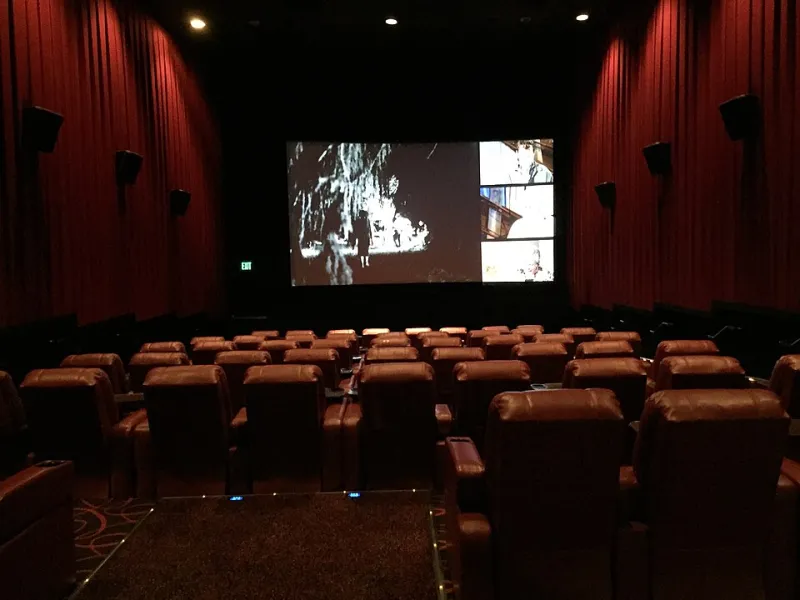
Photo: Asurnipal, CC BY-SA 4.0, via Wikimedia Commons
There is a moment in many American films when the dialogue stops, the music does not arrive, and the scene seems to open into a larger, more uncomfortable space. The refrigerator hums. A truck passes somewhere off-screen. The room itself seems to breathe. This is room tone, the ambient sound of a location recorded so that dialogue can be edited seamlessly and silence can be made believable. But in the hands of a skilled director and sound team, room tone becomes something more than technical mortar. It becomes a performer.
Silence Is a Recording, Not an Absence
Audiences often speak of silence in cinema as if it were a void. It is not. The silence of a film is almost always constructed from layers of low-level sound: the hum of ventilation, the buzz of a light fixture, the faint resonance of a large room. Sound designers and production mixers know that true silence feels unnatural on screen. It draws attention to the recording rather than the scene. Room tone gives the audience something to inhabit, a sense of place that persists even when no one is speaking.
This is why the quietest scenes in American cinema often feel the most charged. The absence of score is not the absence of feeling. It is a decision to let the environment carry the emotional weight. The audience leans in, not because the film has become louder, but because it has become more attentive.
The Pressure of the Unscored Scene
Consider the modern American thriller or drama that withholds music during a confrontation. The effect is not neutrality. It is exposure. Without a score to tell us how to feel, the room tone becomes the emotional register. A faint electrical hum can make a kitchen feel like a trap. The distant sound of traffic can make a city apartment feel isolated rather than connected. The quality of the air—dry, close, reverberant—becomes a form of characterization.
Films such as No Country for Old Men and The Conversation understand this instinctively. Their soundtracks are not empty; they are carefully stripped of easy emotional cues so that the physical world can press against the characters. The result is a kind of realism that is actually highly designed. The hum is not incidental. It is the scene.
Location as Voice
Room tone also functions as a signature of place. A film set in the American South will carry a different ambient texture than one set in the desert Southwest or the industrial Midwest. The sound of insects, the quality of wind, the resonance of wood-frame houses—these details do more than establish geography. They establish temperament. A location with a low, persistent hum can feel oppressive; a location with a wide, airy silence can feel lonely or serene.
This is why location scouting is also a form of sound scouting. The room that looks right may not sound right. A space with too much flutter echo can make dialogue brittle; a space with too little resonance can feel dead. The best sound teams listen to a location before they ever place a microphone. They are not merely capturing dialogue. They are capturing the voice of the room.
The Mixer’s Invisible Performance
The work of building room tone is rarely noticed, which is precisely the point. Dialogue editors weave takes together so that the ambient bed remains continuous. Re-recording mixers balance the hum against the dialogue so that it supports rather than obscures. Foley artists add the small, human sounds—footsteps, fabric, the click of a glass—that make the environment feel inhabited. None of this appears on screen, but all of it shapes what the audience believes.
When the mix is successful, the audience does not hear room tone as a separate element. They hear the scene. When it fails, the illusion collapses: a sudden drop in ambient sound can make a cut feel artificial, and an overprocessed silence can make a realistic location feel like a studio. The invisible performer is easy to overlook until it misses its cue.
When the Hum Disappears
There are moments when a filmmaker deliberately removes room tone altogether. The effect can be unsettling, even surreal, because the audience senses that the world has been drained of its physical presence. Used sparingly, this can suggest shock, dissociation, or a character’s break from reality. Used carelessly, it can make a scene feel unfinished.
The contrast matters. A film that has established a rich ambient world can create enormous tension simply by going quiet. The absence becomes meaningful because the presence was so carefully built. This is the paradox of room tone: it is most powerful when it has been established so thoroughly that its removal feels like a loss.
Listening as a Form of Attention
American cinema has become increasingly sophisticated about the visual frame, but it has not always been as disciplined about the sonic frame. In 2026, as streaming compression flattens subtle audio details and home viewing encourages viewers to keep one ear on the room around them, the theatrical experience offers a corrective. A good theater lets the audience hear the hum, the distance, the air. It rewards attention to the quietest layer of the soundtrack.
That layer is not filler. It is performance. The room tone holds the scene together, gives it weight, and makes the silence feel inhabited. The next time a film goes quiet, listen closely. The hum you hear is not the absence of drama. It is the drama, waiting in the room.