Still Open, Still Projecting: Four American Theaters That Beat the Odds
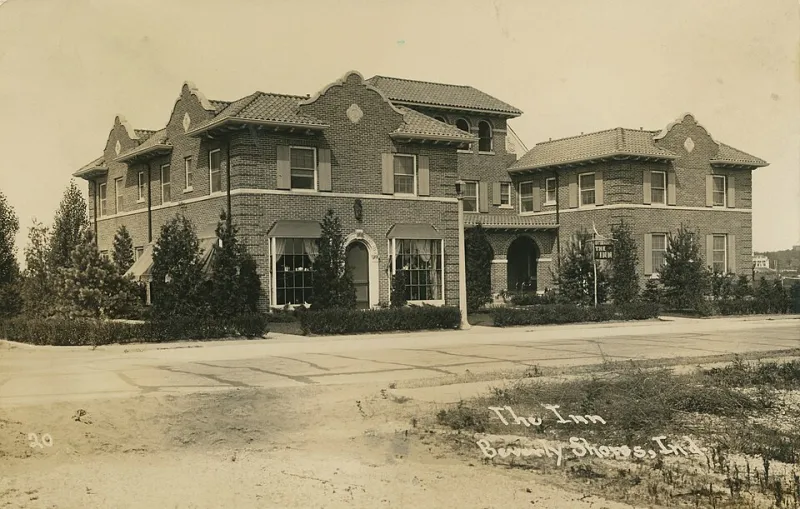
Photo: Steve Shook from Moscow, Idaho, USA, CC BY 2.0, via Wikimedia Commons
The obituary of the American movie theater has been written many times—first with the arrival of television, then the VCR, the multiplex, and finally streaming. And yet, across the country, a stubborn handful of single-screen and independently owned theaters not only survived the last decade but emerged from it with sharper identities and deeper audiences. Their survival was never accidental. It was a strategy, and it holds lessons for anyone who cares about how films are experienced.
The Palace That Refused the Wrecking Ball
In small-town America, the single-screen theater built between 1910 and 1930 was once the heart of Main Street. Many were lost to demolition or conversion. The survivors tended to share a pattern: a nonprofit or community trust stepped in when the economics no longer made sense for private owners.
One such house in the Midwest, a 1916 vaudeville-and-film palace, now operates as a nonprofit with a volunteer board, a marquee restored through local fundraising, and a programming calendar that mixes first-run releases with classic matinees. Its ticket prices undercut the suburban multiplex; its concessions are run by the high school film club. The lesson is unglamorous but essential: community ownership converts a theater from a business into an institution, and institutions endure.
Curation as Survival
In larger cities, the independent theater's weapon of choice is taste. The repertory houses that thrived after 2020 were those that programmed with a point of view—midnight screenings of cult pictures, director retrospectives, double features paired with genuine argument rather than algorithmic convenience.
A Brooklyn repertory cinema built its post-pandemic revival almost entirely on 35mm. When a print of a beloved 1970s drama plays there, audiences come for the grain, the splice marks, the faint flutter of the projector—an experience no stream can replicate. Attendance, the programmers report, skews heavily toward viewers under thirty-five. The format once dismissed as obsolete has become the freshest thing in the room.
The Theater as Third Place
What these case studies share is a recognition that a movie theater sells something more fundamental than movies. Sociologists call it a 'third place'—a gathering spot that is neither home nor work. The surviving independents leaned into this deliberately: post-screening discussions, neighborhood partnerships, midnight sing-alongs, lobby galleries featuring local artists.
A Texas drive-in that weathered the streaming era by hosting flea markets by day and films by night put it plainly: "We're not competing with the couch. We're competing with loneliness."
Why It Still Matters
There is a reason directors still insist their films be seen in a theater, and it is not vanity. Darkness shared with strangers concentrates attention. A laugh arrives a beat earlier because two hundred people are waiting for it. A quiet scene lands harder because no one can pause it.
The four walls of a screening room impose a discipline that streaming cannot: you watch at the film's pace, not your own. The theaters that refused to die understood this instinctively. They did not out-convenience the stream. They offered the one thing it never could—presence. As long as a handful of marquee lights keep burning on Main Streets and side streets across America, that argument is still being made, one screening at a time.