The Films We Know by Heart: On Rewatching, Memory, and the Movies That Become Mirrors
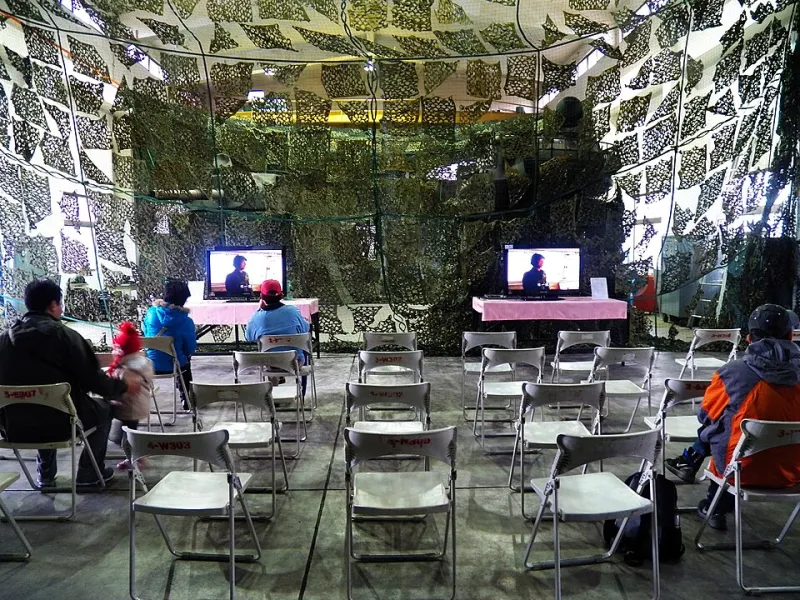
Photo: 玄史生, CC0, via Wikimedia Commons
There is a moment familiar to every devoted moviegoer: the film begins, and before a single line of dialogue is spoken, you already know what comes next. You know when the light will shift, when the score will swell, when the frame will hold a beat too long. And yet you stay. You have stayed a dozen times, perhaps a hundred. The question worth asking is not why we rewatch—it is what happens to us when we do.
The Comfort of the Known Frame
For many viewers, the rewatch begins as refuge. A film seen a dozen times becomes a room you can walk through in the dark. Nothing in it can hurt you; nothing in it can surprise you into feeling something you are not ready to feel.
Critics have long been suspicious of this impulse, treating the comfort rewatch as a failure of adventurousness. But the cinephiles we spoke with framed it differently. "I've probably seen 'Casablanca' forty times," one Chicago-based film writer told us, "and every viewing is a check-in. I'm asking the movie how I've changed." That, perhaps, is the honest function of the familiar film: it is less a story than a measuring stick.
When a Film Changes Its Meaning
The more fascinating phenomenon is the rewatch that reveals a different picture entirely. A film first seen at twenty-two, brash and certain, returns at thirty-five as something almost unrecognizable. The plot has not changed. The viewer has.
Consider the midlife rereading of 'The Graduate'—a comedy to the young, a horror story to anyone who has ever drifted into a life they did not choose. Or 'It's a Wonderful Life,' which softens with age into something more complicated than sentiment: a film about a man grieving a version of himself that never existed. These transformations are not contradictions. They are evidence that a great film is not a fixed text but a collaboration with whoever is watching.
A Los Angeles archivist we interviewed counts 'Paris, Texas' among her most-seen films. "The first time, I thought it was about a lost man," she said. "Now I understand it's about the damage we hand to our children. I couldn't have seen that at twenty-five. I didn't have the material."
Memory, Nostalgia, and the Edited Past
There is also a subtler danger worth naming. The rewatch can become an act of curation over one's own past—we return to films not to see them, but to visit the person we were when we first did. Nostalgia smooths; memory flatters. The film becomes a photograph of a former self, and we mistake our affection for the film with affection for that self.
The most rigorous viewers resist this. They rewatch the way a musician practices scales—not to relive, but to notice. What did I miss the first eleven times? A background performance. A cut that arrives a half-second early. The joke that was never a joke at all.
The Canon of the Personal
Official canons are written by critics, festivals, and decades of scholarship. But every viewer maintains a private canon—the handful of films that have been watched so many times they function as extensions of memory itself. These are rarely the same films we cite as 'the greatest.' They are the ones that caught us at the right moment and refused to let go.
Perhaps that is the final truth of the rewatch: we do not return to great films. We return to films that have become part of the architecture of our lives. The screen goes dark, the credits roll, and we are left holding a slightly clearer picture of who we have become since the last time we sat down to watch.